 playsheet
Loading is taking longer than expected.
playsheet
Loading is taking longer than expected.
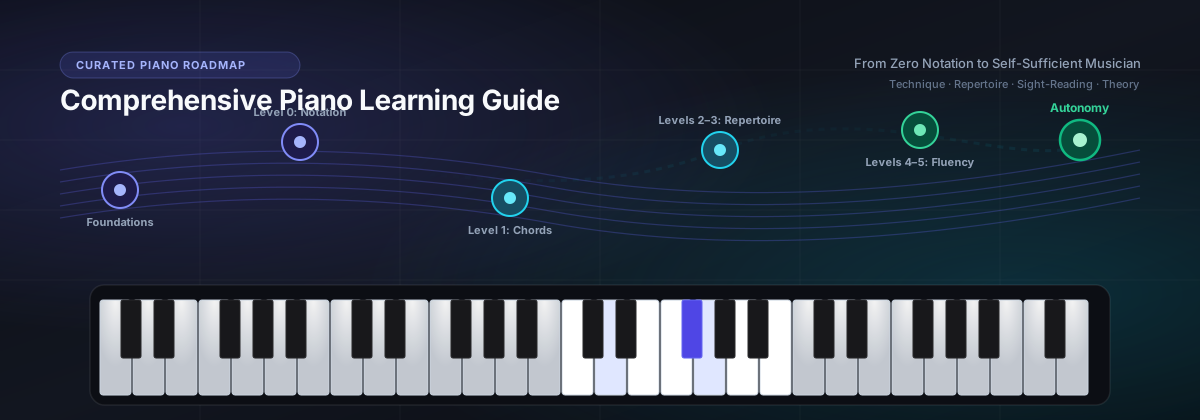
The biggest problem with learning piano as an adult is not a lack of material. There are thousands of YouTube videos, apps, and books. The problem is fragmentation: picking up five different methods at once, hitting a wall on hand independence, relying on visual memory shortcuts, and stalling out after six months.
This guide adapts the music and sight-reading roadmap originally created by Reddit contributor MrScarletOnTheMoon, paired with insights from piano teachers and adult learners on r/piano. The linked online lessons, drills, and Playsheet practice pieces can be used alongside a course. Some companion videos require a commercial method book, and linked score licenses vary by country and edition.
Sight-reading is a completely different skill from learning repertoire. When practicing repertoire, you stop to fix mistakes. In a sight-reading run, aim to keep a steady pulse through small mistakes. Choose an easier piece or slower tempo if that is not manageable; stop if you need to reset comfortably.
Connect what you hear to the physical keyboard. Start by identifying interval distances (e.g. Major 3rd vs. Perfect 5th), distinguishing Major from Minor chords, and figuring out simple melodies (like folk tunes or nursery rhymes) entirely by ear without sheet music.