 playsheet
Loading is taking longer than expected.
playsheet
Loading is taking longer than expected.
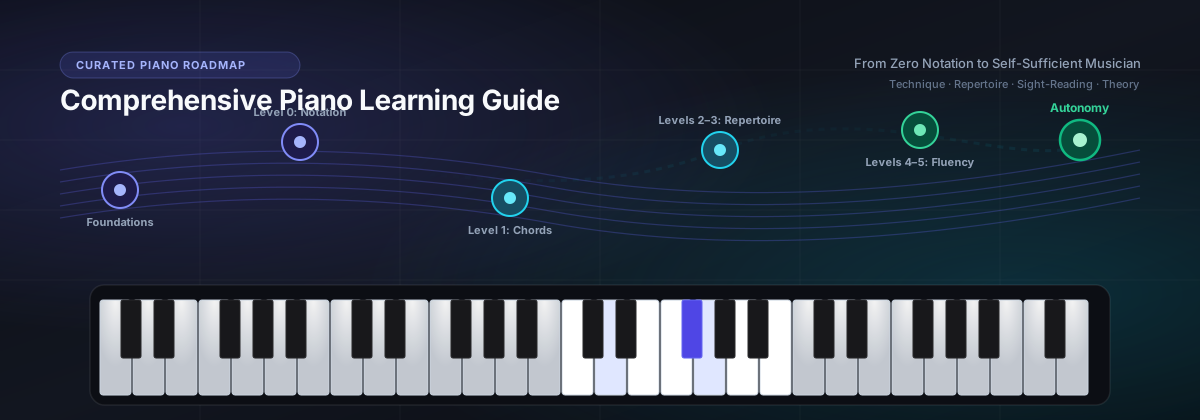
The biggest problem with learning piano as an adult is not a lack of material. There are thousands of YouTube videos, apps, and books. The problem is fragmentation: picking up five different methods at once, hitting a wall on hand independence, relying on visual memory shortcuts, and stalling out after six months.
This guide adapts the music and sight-reading roadmap originally created by Reddit contributor MrScarletOnTheMoon, paired with insights from piano teachers and adult learners on r/piano. The linked online lessons, drills, and Playsheet practice pieces can be used alongside a course. Some companion videos require a commercial method book, and linked score licenses vary by country and edition.
Before touching complex notation, make the keyboard intuitive. You should be able to land on any white key instantly by referencing the two-black-key and three-black-key groups without counting up from C.
you can name and find any white key on the keyboard in under 2 seconds, sit with relaxed wrists, and clap simple quarter and eighth note patterns steadily.